November 2026 · 20 minute read
The Uber Sound
Why quiet cars have voices, and where those voices came from
In this essay
We don’t own a car. When we need one, we take an Uber, and before we go anywhere I strap a car seat into a stranger’s back seat.
My son Laurent (Lolo) is four. He started naming the cars. “Look, there’s an Uber,” he’d say, or he’d ask, “Is that an Uber?” He was usually right. I asked him once how he knew.
“It makes that sound,” he said.
That’s when I started listening and noticing. He calls it the sound of Uber, so that is its name here: the Uber Sound. Most of the cars that pick us up make it as they roll the last few metres to the curb: a full, beautiful, harmonic sound, often like a chord with overtones. Once he’d pointed it out, I heard it everywhere.
One car’s warning sound · Volkswagen ID.3
A research recording of one car's warning sound, not one of our pickups.
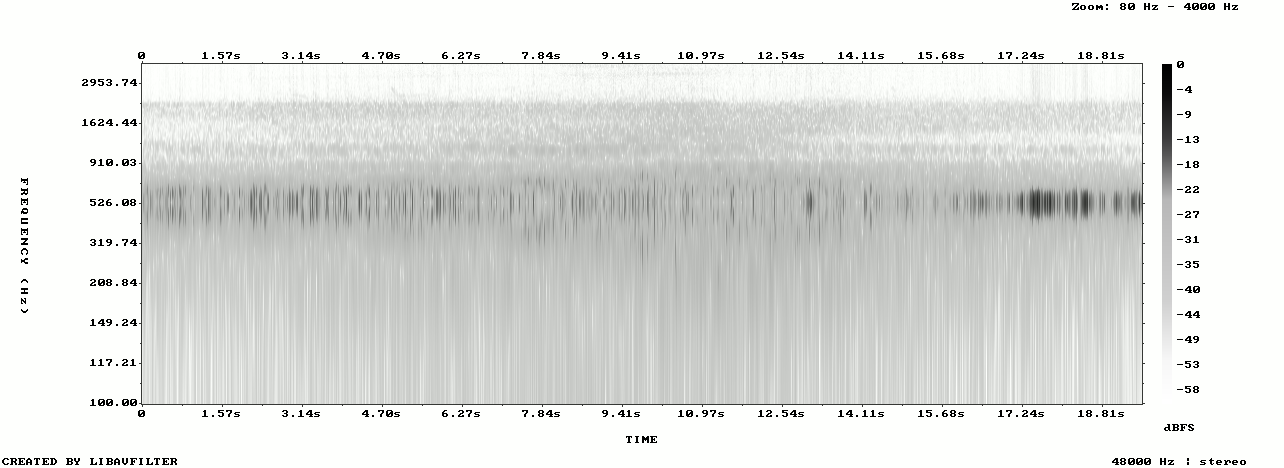
Every car’s version is a little different, so the Uber Sound is really a family of sounds. It is a strange new sound in the city, required by a very old idea: a quiet vehicle should announce itself.
A sound made on purpose
Almost every sound a car makes is a by-product: an engine firing, tyres on asphalt, wind over the body. The Uber Sound isn’t a by-product of the machinery. It is a sound the car has been given on purpose. A speaker facing outward plays it, driven by a small computer that reads the car’s speed and gear, because the law says a quiet car must be heard.
It exists because electric motors are nearly silent at walking pace, and so are hybrids when they creep along on the battery. The Uber Sound plays at low speed, up to about 20 or 30 km/h depending on which rule the car follows. Above that, tyres and wind are loud enough on their own: measured on Oslo’s roads, electric cars were “only marginally quieter” than petrol ones once they moved with traffic.
So the Uber Sound lives in a narrow slice of the city: curbs, crosswalks, parking lots, driveways. It is the sound of a car arriving slowly, close to you.
Why it sounds like Uber
If the rules behind it are years old, why did the Uber Sound seem to arrive all at once? Partly because the cars that make it are replacing the cars that don’t, and quickly. Around Toronto, hybrids and plug-in cars went from about one new car in seventeen in 2020 to more than one in four in 2026. Most are ordinary hybrids, the kind you never plug in, and they make the Uber Sound whenever they creep along on the battery.
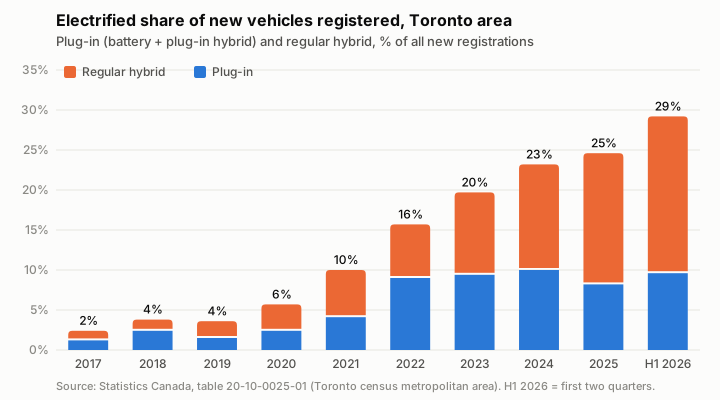
Rideshare cars tend to be newer than the cars around them, and a car that drives all day is where cheap electricity pays off fastest. Then came a trade war, which pushed some electric car prices up, and a trade deal with China, which brought some back down. These figures show the wider change. They don’t tell us what Toronto’s Uber fleet is made of.
The best reason is the curb. Most of the traffic a child hears is passing at speed, above the range where the Uber Sound plays. An Uber is the car that comes slowly, right to you, and stops beside you while you wait with a car seat. The pickup is the moment the sound was designed for. Lolo has been standing in exactly the right place to learn it. And once he named it, I was listening too.
A quiet vehicle must announce itself
The idea is older than the car.
Ontario’s Highway Traffic Act still has a section headed “Sleigh bells.” Anyone travelling on a highway with a sleigh drawn by a horse or other animal “shall have at least two bells attached to the harness or to the sleigh or sled in such a manner as to give ample warning sound.” The fine is up to $5. The law doesn’t explain itself; its last three words do.
Sleigh bells
The older warning: bells moving on a harness.
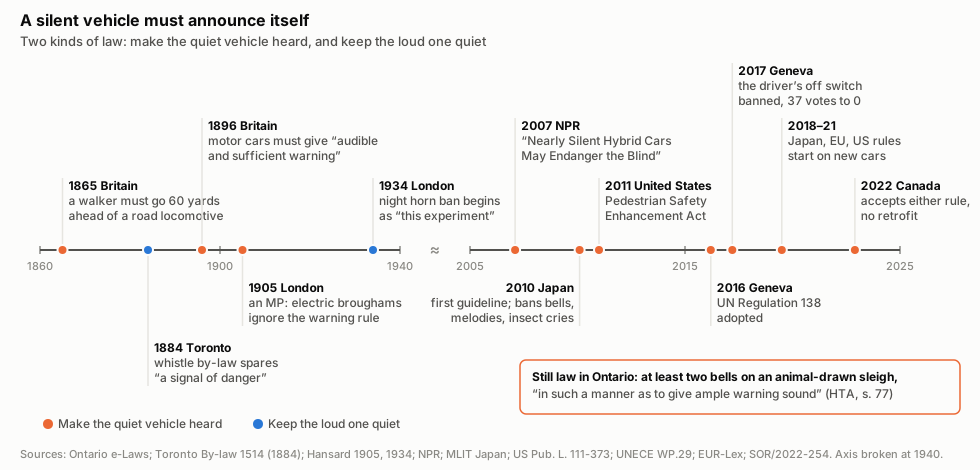
The first machines on British roads were road locomotives: steam engines driving on public roads. An 1865 law made a man walk at least 60 yards ahead of each one, carrying a red flag. The motor car got its own voice in 1896, when the law required a bell or other instrument, and a 1904 order made drivers sound it “whenever necessary” to give “audible and sufficient warning of the approach or position of the motor-car.”
Within a decade, Parliament heard a complaint about quiet cars. On 25 May 1905, Sir Henry Fowler asked in the House of Commons whether anything compelled “electric motor-cars” to give that warning. Told that a regulation did, he pressed on: “Is the right hon. Gentleman aware that that regulation is habitually disregarded by nearly all electrical broughams in London?” Picture a horse-drawn carriage, but electric; many were used as cabs. The minister said the question belonged to the Home Secretary. A century later, the electric car’s silence would go to the United Nations.
Cities, meanwhile, were writing the opposite kind of law. Toronto’s by-law of 3 November 1884, “to prevent certain noises calculated to disturb the inhabitants,” restricted steam whistles at the wharves while keeping signals the law required and those “absolutely necessary as a signal of danger.”
Two kinds of law run through this history. One makes the quiet vehicle heard. The other keeps the loud one quiet, and almost always spares the warning. The Uber Sound sits exactly on that line.
The fight to be heard
The silence came back with the hybrid. In February 2007, NPR ran a story headlined “Nearly Silent Hybrid Cars May Endanger the Blind.” The next year a Los Angeles Times story told of Jana Littrell, “a blind teacher,” whose foot was run over by a Prius backing up in a bank parking lot, “because she never heard the car.”
The tests that followed were stark. Researchers for the American traffic-safety agency had listeners signal the moment they heard a car approaching at about 10 km/h. Against the hum of a moderately busy suburb, they heard a petrol Toyota at about 12 metres and the hybrid Prius at about 6: inside the distance a driver needs to notice someone and stop.
Japan acted first, with a guideline in January 2010 that opens with complaints from drivers and from organizations of blind and partially sighted people that these cars make no sound by their very structure and feel dangerous (our translation). The United States followed with a law, signed on 4 January 2011, as a deal: on the House floor, Representative Joe Pitts said that “the National Federation of the Blind and the auto industry support the compromise legislation.”
Then Geneva, where countries share vehicle rules through the United Nations. In 2016 they adopted a rule for “Quiet Road Transport Vehicles.” Its first version let drivers pause the sound. Japan’s delegate argued that the sound is “of critical importance for the safety of cyclists and pedestrians, especially of people with impaired vision,” and the World Blind Union’s expert objected to “the pause switch that would allow defeat of the safety device.” In March 2017 the switch was banned, 37 votes to none.
Japan, Europe and the United States phased the sound in on new cars between 2018 and 2021. Canada’s rule took effect on 21 December 2022, with no transition, because none was needed: Transport Canada estimated that new hybrid and electric cars already complied. The Uber Sound arrived in Canada with the cars, years before Canadian law wrote it down.
What a warning may sound like
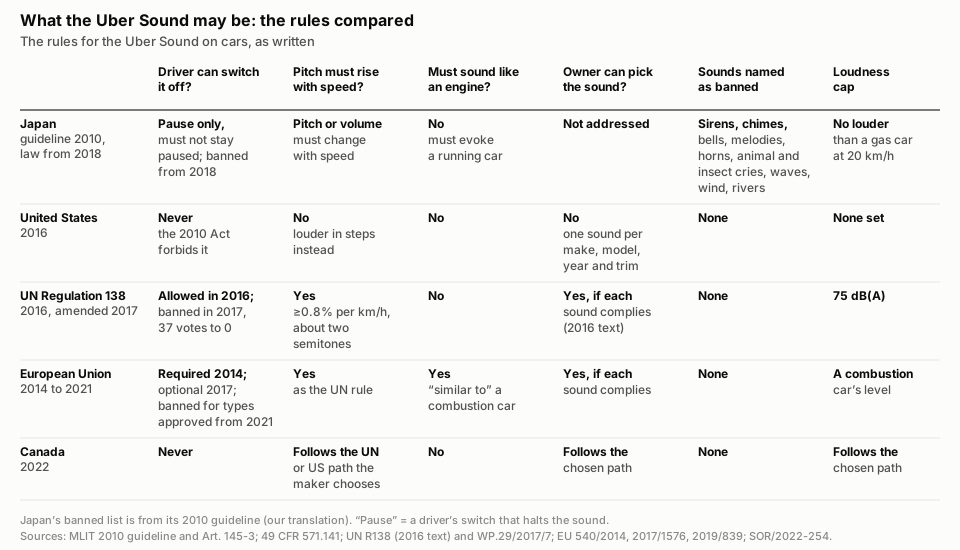
What may the Uber Sound be? Every lawmaker answered differently, and the answers say a lot about what each one feared.
Japan’s 2010 guideline is the most vivid. The sound must be “a continuous sound that evokes the running state of the vehicle.” Then it lists sounds that are not allowed, along with anything like them (our translation):
- sirens, chimes, bells and melodies;
- the sound of a horn;
- the cries of animals or insects;
- the sounds of nature, such as waves, wind and flowing rivers;
- any other sound that common sense would not expect from a vehicle.
The bell, the oldest warning in this story, was out. So was the song of an insect.
The committee behind the guideline also worried about the neighbours. A sound that never stops, its report said, will annoy people who live nearby, and drivers might speed up until it switches off, or pull the device out (our translation).
Europe chose the engine: since 2017 its rule says the sound “shall be similar to the sound of a vehicle of the same category equipped with an internal combustion engine.” The UN rule says nothing about engines. It asks for sound in at least two bands of pitch, one of them fairly low, a cap on loudness, and at least one tone that rises in pitch as the car speeds up. Under the American rule the warning gets louder in steps as the car speeds up, but its pitch need not rise. America added a rule of its own: every car of the same make, model and year “shall be designed to have the same pedestrian alert sound.” Carmakers asked to let drivers choose; “one size does not fit all,” their petition said. In 2022 the safety agency said no, for “a lack of supporting data.”
The rules leave room, and what fills it can go wrong. In December 2020 a software update gave Teslas a Boombox mode that played goat bleats, applause or fart sounds through the car’s outside speaker. In February 2022, Tesla recalled 578,607 cars to switch it off while driving, because it “may obscure the Pedestrian Warning System (PWS) sounds.”
Sound designers work inside that room. “We decided that if we’re going to do this, if we have to make sound, then we’re going to make it beautiful and futuristic,” said Toshiyuki Tabata, Nissan’s noise and vibration engineer, in 2009; Nissan tried about a hundred options with blind advocates, a Hollywood sound studio and psychologists who study hearing. Renault built its Zoe’s sound in 2012 with IRCAM, the Paris institute for music and sound research. “The idea is, of course, to warn pedestrians without scaring them!” its audio strategy manager, Laurent Worms, said later. Jaguar shelved a sound inspired by science-fiction spacecraft because pedestrians kept looking up at the sky. And a Ford engineer called his company’s hybrid sound “more chord-like than what you hear across the industry.”
The puzzle is the same everywhere: be noticed without being hated.
Three cars, on a piano
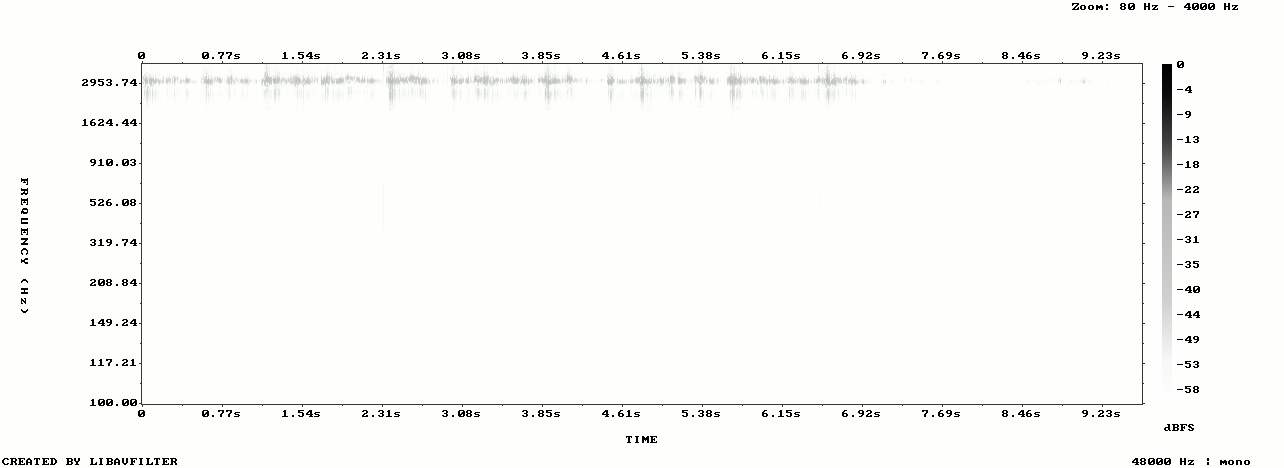
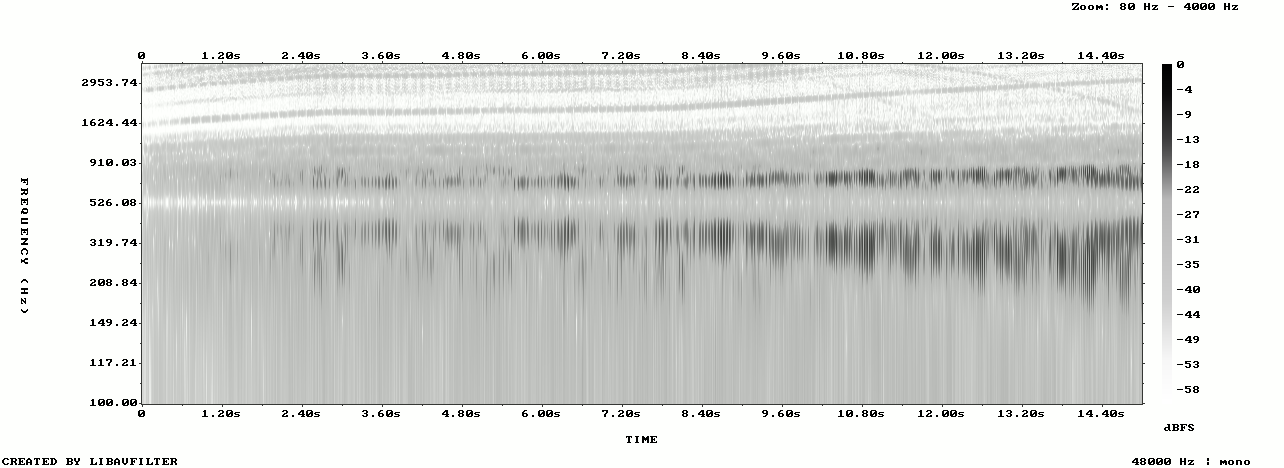
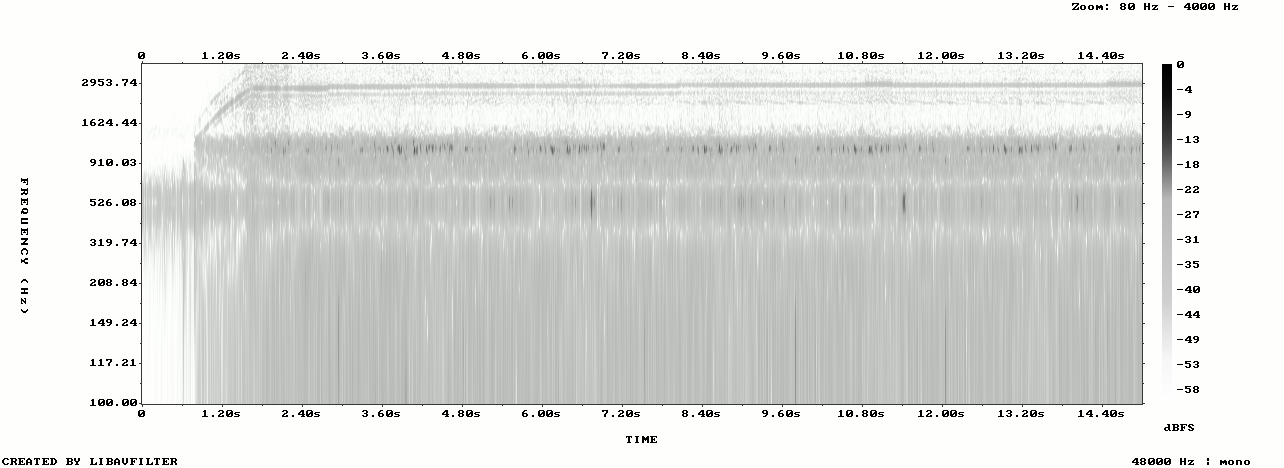
Acoustics researchers have published recordings of the Uber Sound from three cars: a Tesla Model Y, a Volkswagen ID.3 and a Nissan Leaf. Listen first for the low body of each sound, then for the higher tones on top.
Volkswagen ID.3 · 2021
A lower hum, with most of the energy in the cello’s range.
Nissan Leaf · 2018
A middle register, with a faint band of higher sound.
Tesla Model Y · 2021
Two bright bands rise together; a higher register than the other two cars.
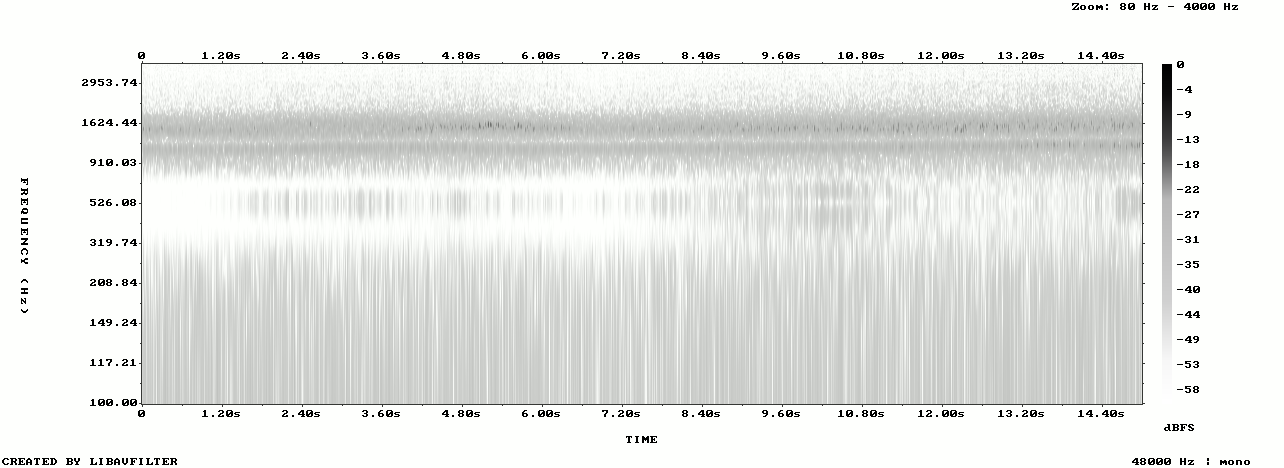
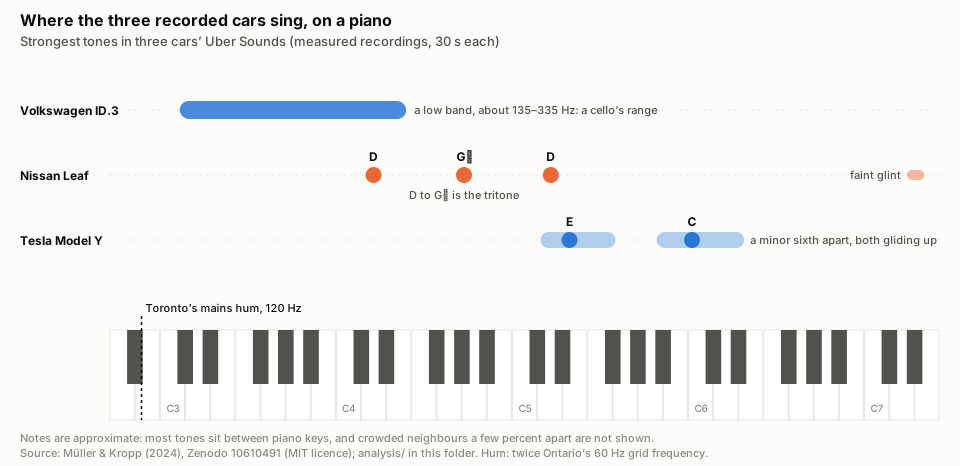
Each car has its own register. The Volkswagen hums low, in a cello’s range. The Leaf sits in the middle, with a faint glint high above. The Tesla is the brightest.
Each sound is a dense cluster of tones, with a few pitches standing out. On a piano, count one step from each key to the next, black or white. The Tesla’s two main tones sit about eight steps apart, a minor sixth, near an E and the C above it, and glide upward together. The Leaf’s hover around a D, the G-sharp above it, and another D an octave up. The gap between its D and G-sharp wanders around six steps: the tritone, an unsettled interval once nicknamed the devil in music.
Why it shimmers
The rules ask for several bands of pitch at once, each loud enough on its own. The American safety agency chose them “to maximize the detectability” of the sound, “taking into consideration the masking effects of common ambient noise and the degraded hearing of some pedestrians.” Its researchers found that sounds built around what the ear is best at noticing “can produce double the detection distances at slightly lower overall sound levels.”
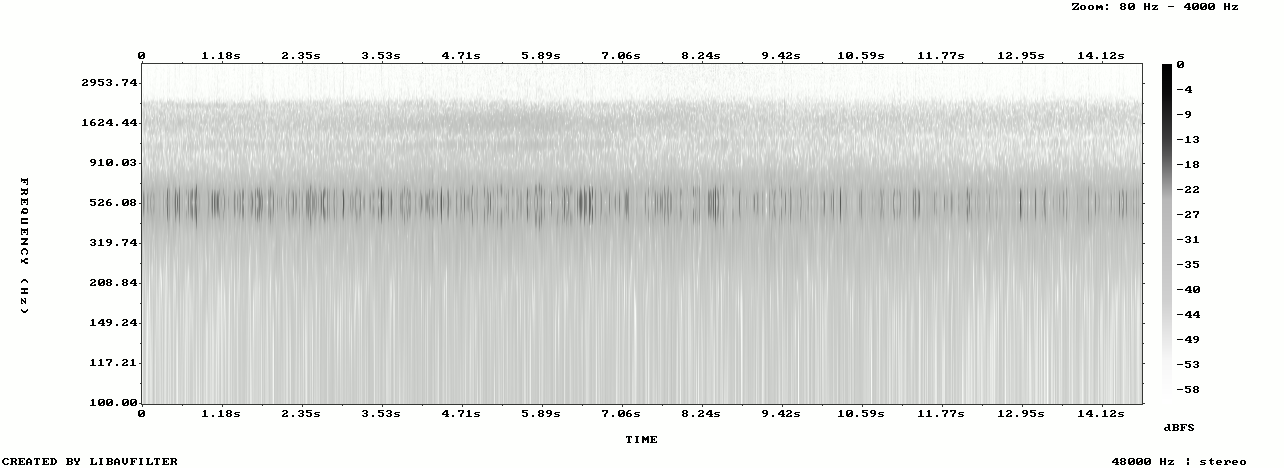
What makes a cluster shimmer is how close its tones are. Two tones close in pitch make their combined loudness pulse: a tone 10 vibrations a second higher than another makes them pulse ten times a second. In the Tesla’s recording, three tones sit so close that they pulse 7 to 17 times a second. The ear hears that as a flutter inside one full sound. That is the chord with overtones I hear.
A voice that rises with speed
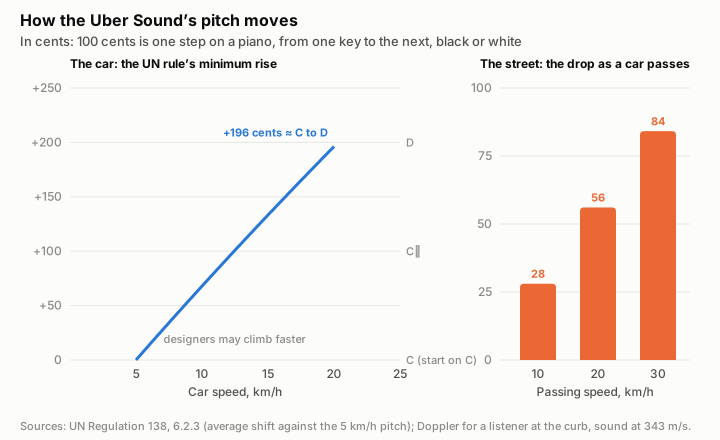
The UN rule adds motion. At least one tone must rise in pitch as the car speeds up, from walking pace to 20 km/h, by about two steps in all at least: roughly C to D. A car pulling away from the curb sings a small upward slide. The rule sets a minimum; designers can make it climb faster.
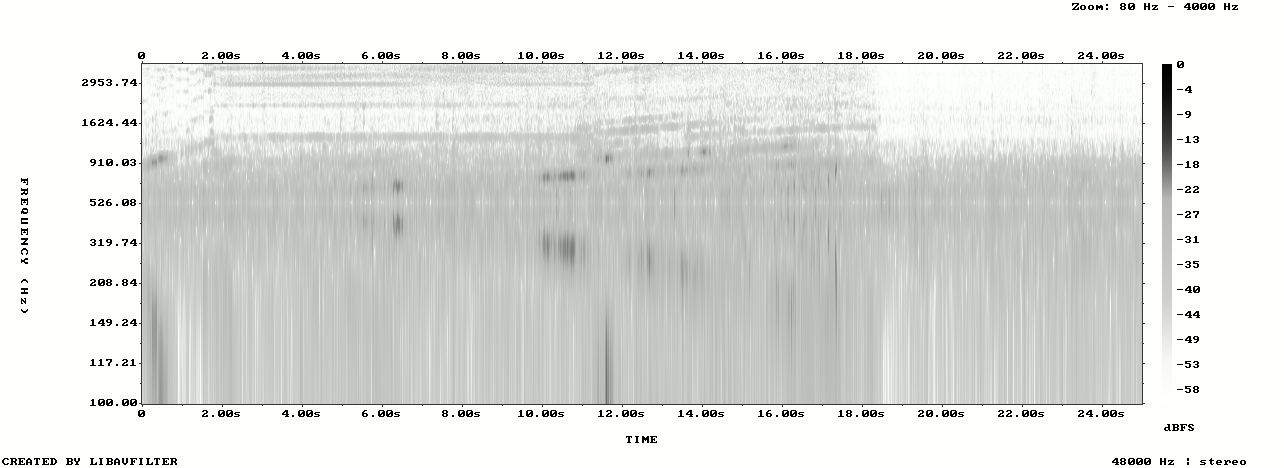
The street adds a slide of its own. As a car passes you, its pitch drops: higher as it comes toward you, lower as it goes away. This is the Doppler effect, the same thing that makes a passing siren fall. At 20 km/h the drop is just over half a step. So two things bend the Uber Sound’s pitch: the car changing the sound it makes as it speeds up, and the car’s motion changing the sound that reaches you.
Tesla Model Y · passing by
A measured pass-by: listen as the car approaches and recedes.
Electric ancestors
The Uber Sound is not the first electric sound a city learned to hear.
The oldest is the hum of the grid. Ontario’s power runs at 60 cycles a second, and transformers commonly hum at twice that: a low note about halfway between a B-flat and a B. In Europe, on 50-cycle power, the hum sits near a G.
Japan had a singing train. In 1998 Keikyu, a Tokyo-area railway, put Siemens equipment under its new trains that drives the motors by switching the current on and off many times a second; the motor’s iron vibrates with it, like a loudspeaker. Siemens tuned that sound into a rising scale, so the trains pulled away singing it, and fans called them the singing trains. From 2008 the equipment was replaced, and the last singing train fell silent in July 2021.
Keikyu 2100 · the singing train
Listen for the rising steps as the train pulls away.
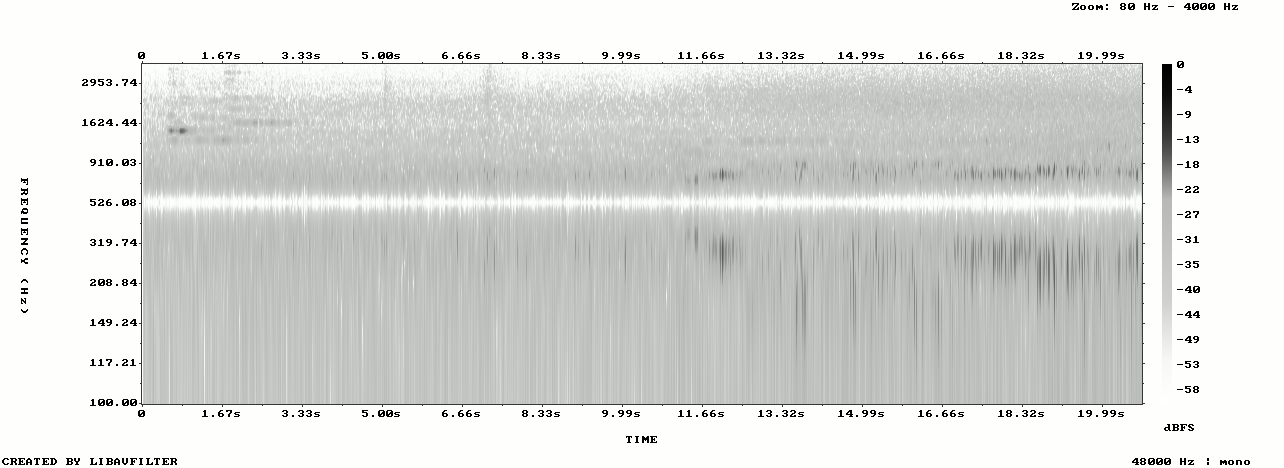
Canada has one too. Since 1976, Montreal’s older metro cars have pulled out with three notes that riders call the “dou-dou-dou,” a by-product of their motor controls. In 2010 the city’s transit agency made those notes its door-closing warning, and later the sound of the whole transit system. An accidental sound became a deliberate warning.
Montreal metro · MR-73
The door-closing signal, then the motor sound as the train departs.
When a warning becomes background
The Canadian composer R. Murray Schafer gave the study of soundscapes many of its words. He sorted a place’s sounds into signals and keynotes. Signals are “listened to consciously,” and among them are those “which must be listened to because they constitute acoustic warning devices: bells, whistles, horns and sirens.” Keynote, he wrote, “is a musical term; it is the note that identifies the key,” “the anchor or fundamental tone.” Keynote sounds “are overheard but cannot be overlooked.” For a landscape, they are “water, wind, forests, plains, birds, insects and animals.”
Set Japan’s list of forbidden sounds beside Schafer’s keynotes: water, wind, insects, animals. Side by side, the list reads like a rule against any warning that could be mistaken for the background.
As the Uber Sound becomes familiar, it may become part of the background, even while it keeps warning us that a car is near. Keynotes, Schafer wrote, “become listening habits in spite of themselves.” The Uber Sound was designed as a signal. In a city full of it, it may become the note the street is in.
What a four-year-old hears
We still don’t own a car. The cars come to us, a different stranger’s choice every time, and most of them hum as they arrive. Lolo hears them coming and asks, “Is that an Uber?”
What Lolo calls the sound of Uber is sleigh bells, blind pedestrians asking to be heard, a vote in Geneva, a trade war and a sound designer’s chord: a century and a half of deciding that a quiet machine must announce itself.
Sources
- Sleigh bells: Ontario Highway Traffic Act, R.S.O. 1990, c. H.8, s. 77 (e-Laws, consolidated 1 Jul 2026) (scouts/i).
- Britain: Locomotive Act 1865 (via Irish Times, 25 Jun 2003); Hansard HC Deb 25 May 1905 vol 146 c1395 and 15 May 1911 vol 25 c1625 (1896 Act s. 3, 1904 Order; electric broughams).
- Toronto: By-law 1514 (3 Nov 1884), as transcribed in Bob Georgiou, Spacing 67, reprinted by Scenes From Toronto, Jan 2025.
- The fight to be heard: NPR, 22 Feb 2007; Las Vegas Sun reprint of the Los Angeles Times, 14 Apr 2008; Volpe/NHTSA, DOT HS 811 304 (2010); MLIT guideline, Jan 2010 (our translation); Pub. L. 111-373 and Congressional Record, 15 Dec 2010, H8411; UN Treaty Collection XI-B-16-138; GRB session 63 report (Feb 2016) and WP.29/2017/7 vote (Mar 2017), via globalautoregs.com; SOR/2022-254 and RIAS (scouts/h, scouts/k).
- What a warning may sound like: MLIT committee report and guideline, 29 Jan 2010; EU 540/2014, 2017/1576; UN R138; 49 CFR 571.141; 84 FR 48866 (2019) and 87 FR 41618 (2022); NHTSA recall 22V-063; Green Car Reports, 28 Dec 2020; Gizmodo, 21 Sep 2009; Renault, 29 Jun 2021; Jaguar, 11 Oct 2018; Ford via Green Car Reports, 15 Nov 2019 (scouts/k, scouts/j, scouts/g).
- Why it sounds like Uber: Statistics Canada 20-10-0025-01; rideshare rules, Uber programs, trade and prices (claims-draft-4.md, trade-and-prices.md).
- Perception and maths: 81 FR 90416 (14 Dec 2016); Volpe Phase 2; Glasberg & Moore 1990; arithmetic in claims-draft-7.md (scouts/m).
- Recordings: Müller & Kropp, Zenodo 10610491 (MIT licence); analysis/.
- Ancestors and soundscape: trafficnews.jp, 25 and 30 Jun 2021 and 1 Jul 2026 (Keikyu; Montreal), our translation; R. Murray Schafer, The Soundscape (1994), pp. 9–10; Internoise 2024 (Oslo) (scouts/l).
Charts are drawn by charts/make_charts.py.